Planning a trip, my way.
Like roughly 40 million other folks this year, my wife and I were lucky enough to travel to Japan this spring. It was a life-changing experience full of stories I could spend ages retelling, but I actually want to talk about the process of planning the trip because I think it was the difference between a good trip and a great one.
What I Came In Knowing
First and foremost, we knew it was going to be busy. Everything we’d read and watched warned us ahead of time of this, and we intended on planning our days around it because neither of us are huge on crowds.
We were going to have to prioritize to make sure we got to see and do all the things we wanted to, but at the same time neither of us had any interest in going on a trip where every hour of every day is pre-planned. I wanted to strike a balance between making sure we saw everything we wanted to and having the freedom to stop and see anything interesting we stumbled into. In Florence, we just happened to wander by the Gucci Museum and went in on a whim, and it ended up being a highlight for both of us.
Finally, we aren’t the kind of people who can stay out from 8am to midnight and then wake up and do it again the next day. We were planning on going for 28 days - this was a marathon, not a sprint.
Building a Plan
With all these things in mind, I started to put together a plan. The idea was to split each day in three blocks: a must-see in the morning, an afternoon of wandering, and then dinner and nightlife. The key was a break time between the afternoon and evening. We’d try to head back to the hotel for a little rest or a shower and a change of clothes. This downtime each day made a huge difference for us in being able to spend more time adventuring each day without tiring out. Neither of us are huge party people, but some neighbourhoods completely transform at night. Even just grabbing a beer and wandering through the streets at night is a totally different experience, so don’t skip this part. Also cocktails, we really like cocktails.
Rather than making each day equally busy, I planned a mix of packed days and (relatively) slower ones. This gave us the flexibility to choose what we felt like each morning.
What I Would Do Differently Next Time
In the future, I would try and plan some more deliberate zero days. While our instinct is to try and jam pack every day with as many things as possible, this isn’t really a sustainable plan. We had a couple slower days in really nice places that ended up being some of our favourite days, so trying to find a way to bake some more of these in would have been great. The challenge here is to find zero days that still feel satisfying, like a spa visit or a picnic in a nice park.
We could have done a better job planning around cultural rest days. In Japan, lots of smaller stores and restaurants are closed on Wednesdays and more than once we found ourselves wandering around a neighbourhood thinking “I bet this place would be really cool on Saturday”. Putting things we know will be open any day of the week on these days would have been an easy fix, and saved us a couple less than stellar days.
The part with unsolicited advice
Here are some things I didn’t see mentioned as much during our planning that were highlights of our trip.
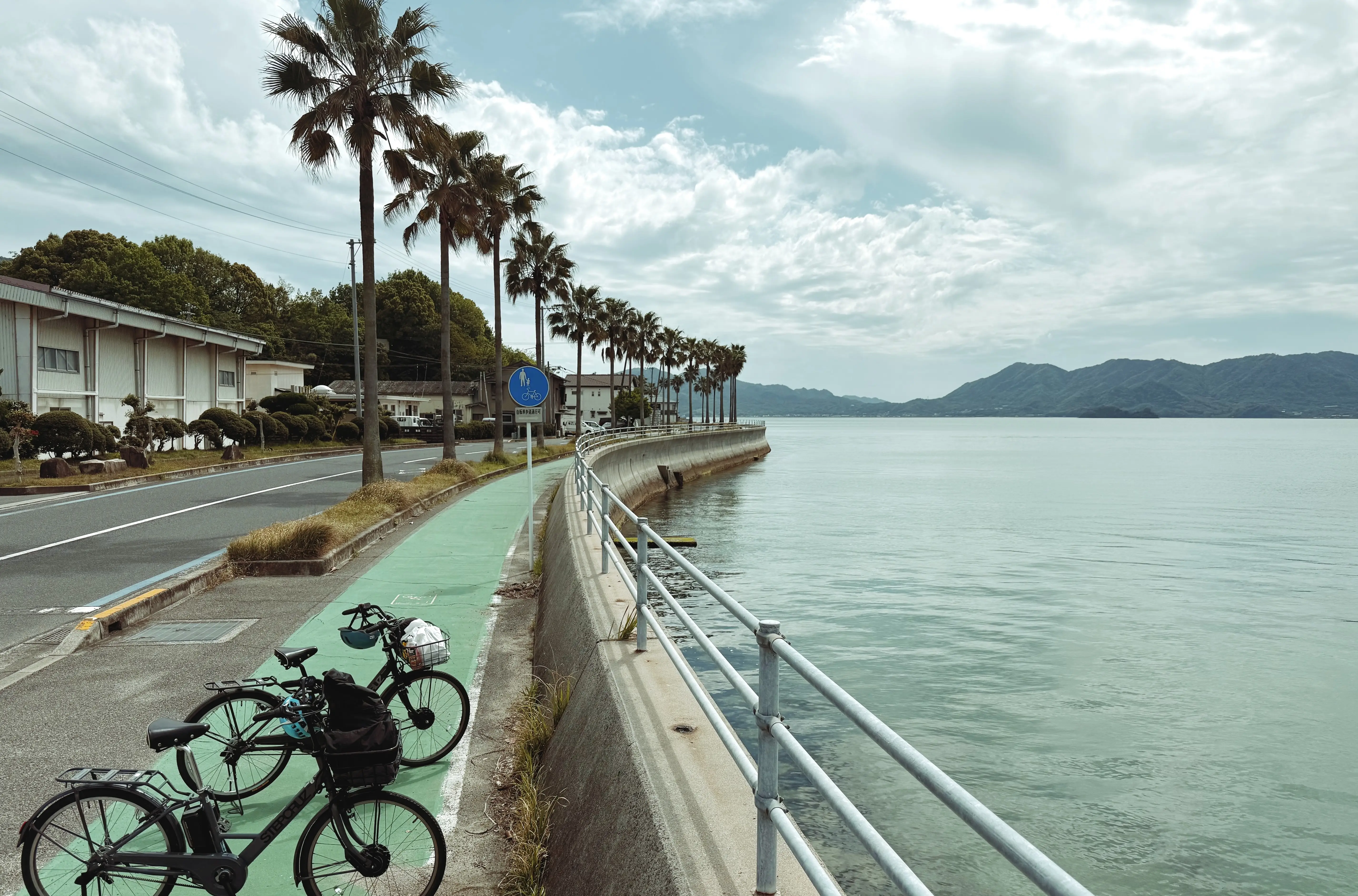
The Shimanami Kaido is absolutely breathtaking and well worth the small detour. We rented e-bikes and had no problem completing the trip over two days, with an absolutely essential stop on Ikuchi for the night to see Kousanji Temple and the Hill of Hope. The town you start in, Onomichi, is a beautiful little ocean-side town as well, and the Senkoji Peak Observatory was well worth the quick trip.
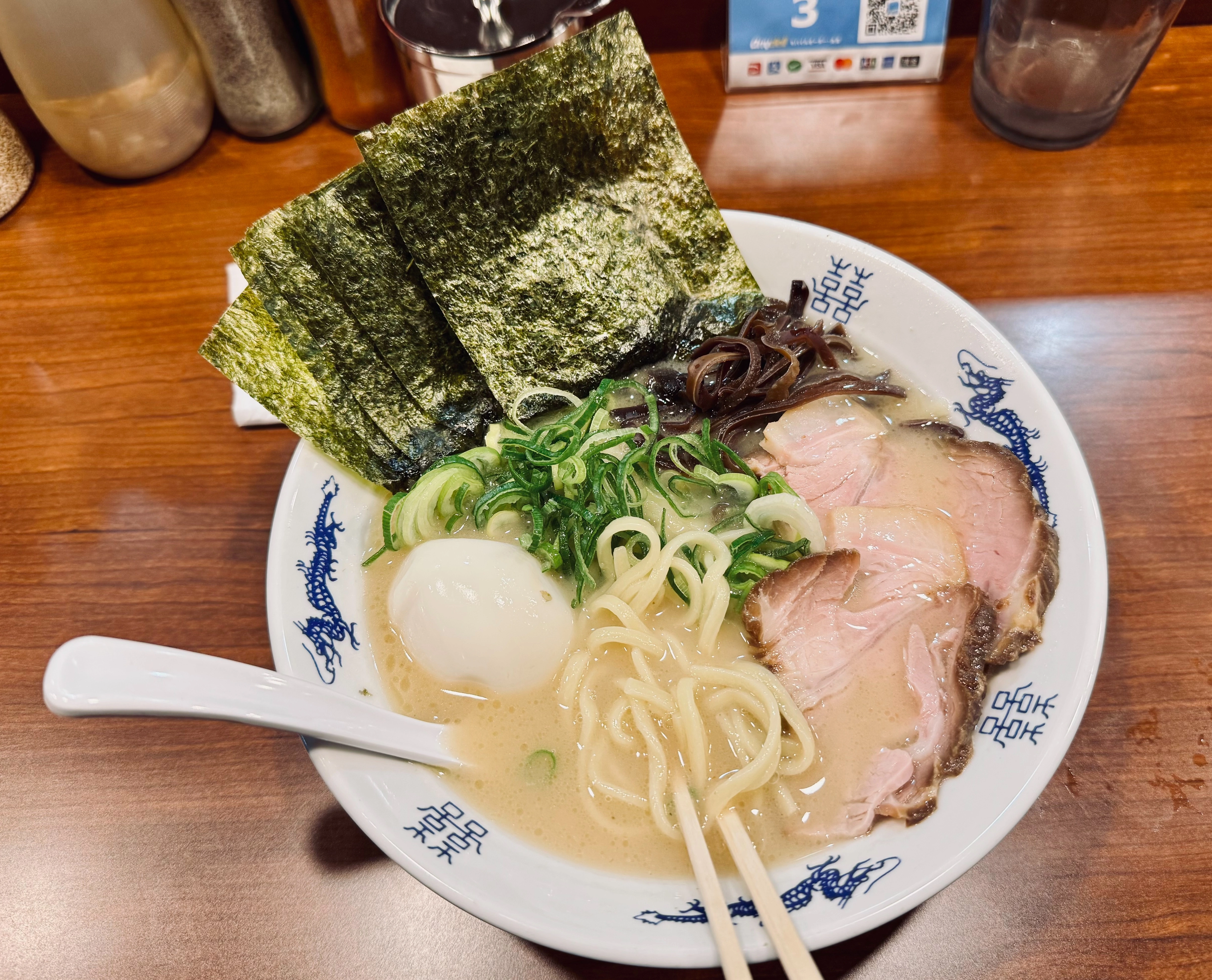
This Ramen shop in Shinbashi was the best ramen we had all trip. Just a single guy serving up mind-blowing ramen to 8 seats in a shop the size of a shoe box.
Speaking of food, don’t stress too much about planning meals out ahead of time. The average quality of food in Japan is unreal, and it’s far easier to just open up Tabelog wherever you are and browse around for something to eat.
These are all lessons I’ll be taking into our next trip, and I hope they’re helpful to you as well. Plan the structure, not the details and stay curious.